Direct Bookings
Guest Communication Before Arrival: Why It Matters
Most travellers keep researching after they book. The weeks before arrival are where a direct booking proves its worth, and most independent operators spend them saying nothing.
 Colin HarrisonFounder29 September 2026
Quick answer
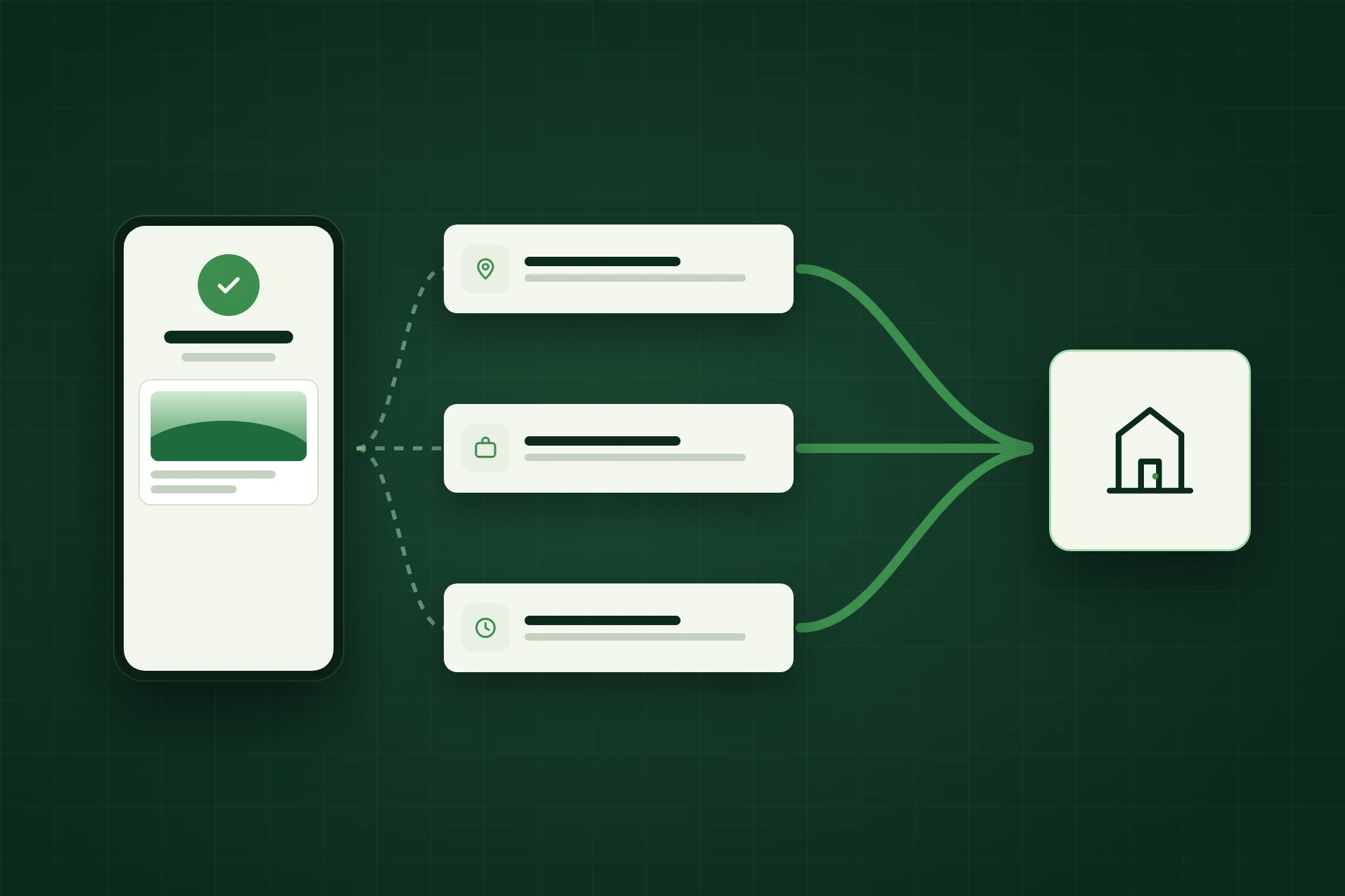
Your guest doesn't stop looking when they book. Most keep researching, half worry they chose wrong, and the average booking sits open for six weeks before arrival. If they booked direct, you get to fill that time. If they booked through an OTA, the platform does. That's true for every hotel, holiday let, glamping site, lodge, retreat, restaurant, tour and experience. Guest communication before arrival, from your booking confirmation email to the pages on your website, is how you build the trust that settles second thoughts and makes the booking stick.
The booking is a pause, not a decision
The average guest at an independent hotel books 40 days before arrival. In Europe, it's 47. That's six weeks for your guest to second-guess their choice, spot something cheaper or cancel. Most operators send one booking confirmation email and go quiet.
Your guest doesn't go quiet. A September 2026 report from Skift Research and McKinsey & Company found that:
- 78% of travellers keep researching after they book
- 41% keep checking the price of a reservation they've already confirmed
- Half have changed a confirmed booking after seeing a better option online
- 52% worry about making the wrong booking decision
McKinsey describes the modern trip as a set of orbits, not a funnel. People circle several options, move towards a booking, then drift back out and reopen decisions that looked settled. The ‘Book Now’ button is only one point on that loop, and it's definitely not the end of it.
At BookedWild, we think that changes where the sale actually finishes. Whether you run a glamping site, a holiday let, a retreat, or a tour, bookings now finish when your guest arrives, not when they paid.
The weeks after the click are the longest part of the sale
Cloudbeds' 2026 State of Independent Hotels Report looked at 90 million bookings across 180 countries. It found that guests book roughly 40 days before arrival, or 47 days in EMEA. The more surprising figure is when they cancel. The average cancellation lands 39 days before arrival, so cancellations tend to come early, while the booking is still fresh. That makes the first message after booking the one that matters most.
The average cancellation lands 39 days before arrival.
Clicking Book takes seconds. The doubt starts straight after. The travel reels, price alerts and friends' recommendations your guest sees in the days after booking are what reopen the decision.
What this means for you: The same pattern plays out wherever a guest books ahead. A cabin booked in January for August, a retreat booked a season out or a food tour booked before the flights all start with a guest who has just committed and is still second-guessing. Your job in those first days isn't to sell again. It's to reassure your guest they chose well, and give them something to look forward to. That's what guest communication before arrival is for, and it should start the moment they book.
This isn't only a hotel problem
While most of the hard data in this piece comes from hotels, it's not only hotels this affects. Hotels are where booking data is tracked at the largest scale, and Cloudbeds report alone covers 90 million bookings. It doesn't mean the problem stops at the hotel door.
The McKinsey and Skift research surveyed travellers, not hotels. Researching after booking, watching prices and worrying about the choice is how people plan a trip, whatever they've booked. And Rezdy's 2026 report shows 69% of tour and activity bookings now come direct, so the post-booking guest experience increasingly belongs to the operator.
Here's how it plays out across the businesses we work with:
- Holiday lets, glamping sites and lodges are often booked months ahead for school holidays and peak weekends. The longer the gap, the more time your guest has to doubt, compare and cancel.
- Retreat hosts sell a bigger commitment than a night's stay: time off work, travel and often a personal goal. The bigger the commitment, the more reassurance your guest needs before they arrive.
- Destination food and drink bookings are often for occasions. A guest who is unsure the table is confirmed, or their dietary needs are known, is a guest who books a back-up.
- Tour operators and experience providers lose the whole booking when a guest forgets the date or can't find the meeting point. There's no second night to make up for it.
- Independent hotels face the sharpest version of the cancellation gap, with OTA bookings cancelling at twice the direct rate.
The numbers change from sector to sector. The pattern doesn't. Your guest books, keeps thinking and decides again before they arrive.
Direct guests stay booked
The same Cloudbeds report found that OTA bookings at independent hotels were cancelled 21.8% of the time in 2025, against 10.6% for direct bookings. Part of that is OTAs promoting free cancellation. The bigger part is who gets to talk to your guest.
OTA bookings cancel at twice the rate of direct bookings.
Book through a major OTA and you usually get an alias email address, not your guest's own. The platform keeps the relationship and the conversation. Book direct and that flips. You hold their real details, and every message before arrival comes from you, not from a marketplace showing them alternatives.
It carries on after checkout too. A direct booking lets you stay in touch with a thank-you, next season's dates or early access to your best weeks. Keep it within the UK's email marketing rules with a clear choice at booking and an easy opt-out every time. That's how one booking becomes a repeat guest.
This applies to anyone selling through a booking platform, from holiday lets and glamping sites to lodges and tour operators. Lower commission is the obvious win of booking direct, but owning the guest before and after their stay is the one that protects the booking and brings them back. It's one reason to break third-party booking dependency that has nothing to do with fees.
Reassurance is the best way to keep the booking
If 52% of travellers worry about booking the wrong thing, your first job after the booking is clear. Make them feel certain they made the right choice.
That starts on your confirmation page. It's the first screen after payment, and it's the one your guests pay the most attention to. A reference number on its own wastes it. A good confirmation page restates what they booked, shows the place or experience again, repeats the cancellation policy in plain words and gives them a real person to contact.
Your booking confirmation email does the same job in their inbox. It's the message they'll search for three weeks later, so put everything in it they'd otherwise have to hunt for.
What reassures a guest depends on what they booked:
- Glamping and camping: guests worry about the weather, the facilities and whether the site looks like the photos. Show real pitch photos, what's provided and what to bring.
- Holiday lets and short-term rentals: guests worry about getting in and whether the place matches the listing. Send the self check-in guide and a named local contact early.
- Lodges and log cabins: guests worry about finding you after dark. Give directions that work without phone signal.
- Retreat hosts: guests worry the programme won't suit them. Share the day-by-day schedule and introduce the facilitator.
- Destination food and drink: guests want to know the table's confirmed and their dietary needs are noted. Link the menu and ask about requirements up front.
- Tour operators: guests worry about pace, pickups and what's included. Recap the itinerary and introduce the guide.
- Experience providers: guests worry about fitness, weather and forgetting the date. Tell them your weather policy and what to wear.
- Independent hotels: guests worry they could have paid less. Remind them why booking direct was the better deal, whether that's the rate, flexible terms or a welcome extra.
Make guest communication before arrival useful
Revinate's hospitality email benchmarks show pre-arrival emails get the highest engagement of any hotel campaign. Guests open them because they need what's inside.
So be useful. Send directions, parking, check-in times, what to pack, where to eat nearby and what to do if it rains. Every question you answer before your guest asks it makes them more confident they booked the right place.
Don't keep all of that information in emails alone. Put it on your website too. An arrival guide, a local area page and a proper FAQ page give guests somewhere to come back to, and FAQ pages with schema markup help search engines surface those answers. They also save you answering the same questions by phone in your busiest week.
If you run tours or experiences, this is also how you cut no-shows. Tour booking platforms such as FareHarbor and Xola both recommend a reminder a few days out with the date, time, meeting point and what to bring. A guest who booked two months ago and can't remember where to meet is a lost booking, even if they've paid.
What this means for you: The reason guests open pre-arrival emails is universal. Anyone travelling to you, for a week in a lodge or a morning on the water, needs to know how to get there and what to expect.
Add-ons belong after the booking
Revinate's 2026 Hospitality Benchmark Report found pre-arrival emails bring in an average of $95 per booking in upsell revenue for North American hotels. That's the highest of any campaign type it measured.
Pre-arrival emails average $95 per booking in upsell revenue.
The timing is what makes it work. Before the booking, every extra option is one more decision between your guest and the Book button. After the booking, the same offer makes a trip they've already committed to even better. They're more receptive, and your booking flow stays short.
What you offer depends on what you run:
- Accommodation: breakfast, late checkout, a hot tub, firewood, a celebration package or an extra night.
- Retreats: one-to-one sessions, treatments or a longer stay.
- Food and drink: a tasting menu, wine pairing or a better table.
- Tours and experiences: photo packages, private upgrades, kit hire or a second activity while they're in the area.
There's a catch. You can only make these offers if you can reach your guest. On a direct booking, you can. On an OTA booking, the platform decides what your guest hears about next.
What this means for you: Treat the $95 figure as a sign of the opportunity, not a target. The principle holds just as well for firewood at a cabin, a wine pairing at a restaurant or a photo package on a tour.
Your website is where it starts
Rezdy's 2026 Global Trends report surveyed 280 tour and activity operators in 39 countries. 69% of their bookings now come direct.
Every one of those bookings opens a window you control. Whether you use it comes down to what your website was built to do.
Our crawl of 606 independent accommodation websites found that 86% took more than four seconds to load on mobile. Many also rank below the OTAs listing them. A lot of independent sites are still fighting to win the click, let alone thinking about what happens after it.
So it makes sense that most of the effort in a website project goes into the booking button. A frictionless booking journey is what wins the booking in the first place. But the pages and messages after the click belong to the same system:
- a confirmation page that reassures, not just confirms
- booking emails written in your voice, not your software's default
- arrival guides, local area pages and FAQs your guest can come back to
- a clear place to add extras after booking
None of this is complicated. The post-booking guest experience gets left out when a website is treated as a shop window instead of the start of a guest relationship. A website that stops at the Book button has only done half its job.
Our conclusion
Most travellers keep looking after they book. Half worry they chose wrong. The average guest has six weeks to change their mind, and OTA bookings cancel at twice the rate of direct ones.
We see the Book button as the start of the guest relationship, not the end of the sale. A direct booking hands you your guest's attention for the weeks before they arrive. Use that time well, and you hold the booking, grow its value and earn the next one. Leave it empty, and your guest keeps searching.
That holds whether the booking is a hotel room, a holiday let, a bell tent, a week-long retreat, a table for eight or a morning on a guided walk. The opportunity belongs to every independent operator who takes bookings online.
The independent operators winning direct bookings aren't only the ones with the best booking button. They're the ones whose website keeps working after it's been pressed.
Apply for a homepage redesign — We build websites for independent travel and hospitality operators that win the booking and look after your guest all the way to arrival.
Got it. We'll be in touch.
One of us will read what you've written and come back with a straight answer — not a proposal template.
FAQs
What should a booking confirmation email include?
What they booked, the dates, what they paid, your cancellation policy in plain words and a named person to contact. Add a photo of the place or experience and a link to your arrival or FAQ page. It's the email your guest will search for later, so make it the only one they need.
When should I send a pre-arrival email?
For accommodation, around a week before arrival works well for practical details and add-ons, with a short message on the day itself. For tours and experiences, send a reminder a few days out and another the day before with the meeting point and what to bring.
How can I get guests' real email addresses from OTA bookings?
Most OTAs give you an alias address that stops working after checkout. You can ask guests for their own details through online check-in, a digital guidebook or when they arrive. Tell them what they get in return, and follow data protection rules.
Will guests find add-on offers in pre-arrival emails pushy?
Not if the offers fit the trip they booked. Breakfast, a late checkout, or kit hire makes their trip easier. Keep the offers few and specific to their booking.
Is this worth doing if I don't have a booking team?
Yes. Most booking engines can automate guest communication before arrival, from the booking confirmation email to a reminder the day before. The work is writing them once and writing them well, then building the website pages they link to.